

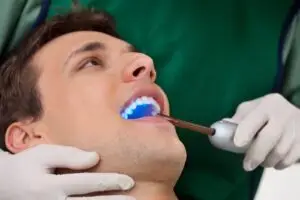
With dental sealants, you can significantly reduce cavities by protecting deep grooves on molars; this preventive coating is quick, painless, and cost-effective for both children and adults. Understand when sealants make sense, how long they last, and what to expect so you can decide whether they fit your oral health plan.
Understanding Dental Sealants
Sealants are a preventive layer you can get on chewing surfaces to block decay in grooves and pits of molars and premolars. Most effective when applied soon after permanent molars erupt-typically around ages 6 and 12-and they can reduce the risk of cavities by up to 80% in the first two years. You’ll find them recommended for both kids and adults with deep fissures.
What Are Dental Sealants?
Dental sealants are thin plastic or glass ionomer coatings bonded to the grooves of back teeth to prevent food and bacteria from settling where a brush can’t reach. Applied chairside in minutes, resin-based sealants provide durable protection while glass ionomer releases fluoride. You’ll notice fewer pits for plaque to accumulate, which lowers cavity risk compared with unsealed teeth.
How Do They Work?
They work by creating a smooth, sealed surface over pits and fissures so acids and bacteria can’t penetrate enamel. During application your dentist cleans the tooth, etches the surface, applies the sealant material, and light-cures resin types; protection begins immediately. Studies show this barrier significantly lowers molar decay rates in the early years after placement.
Resin-based sealants chemically bond to etched enamel and typically last 3-5 years or longer with routine checks, while glass ionomer is quicker to place and releases fluoride but wears faster. If a sealant chips, your dentist can repair or replace it at recall visits; school-based programs using timely reapplication have shown measurable reductions in cavity rates among children.
Benefits of Dental Sealants
Applied to your molars’ pits and fissures, sealants can reduce decay by up to 80% in the first two years and continue offering strong protection for several years; the quick, painless layer takes minutes per tooth and is ideal when your child’s six- and twelve-year molars erupt. For details on technique and outcomes, see Dental Sealants: How They Work.
Protection Against Cavities
Sealing grooves prevents food and bacteria from settling where brushes miss, so you lower the chance of occlusal decay significantly; since your first permanent molars erupt around age 6 and second molars near 12, timely application targets the highest-risk window. Clinical data show sealed teeth develop far fewer cavities than unsealed counterparts, especially in people with deep fissures or limited flossing ability.
Cost-Effectiveness
Sealants typically cost about $30-$60 per tooth, while a single filling can run $90-$250 depending on material and location; you save money when sealants prevent restorative care. Many dental plans and school-based programs cover sealants for children, reducing your out-of-pocket cost and lowering the likelihood of more expensive future treatments.
For example, sealing your child’s four permanent molars at $40 each totals $160; avoiding just one cavity that requires a $150-$250 filling already makes sealants cost-neutral, and preventing a root canal or crown-often $800-$1,500-yields clear savings. Community sealant programs also report measurable drops in treatment costs and missed school days, reinforcing the preventive ROI for families and public health systems.
Who Should Get Dental Sealants?
If your child is between about 6 and 14, sealants are often recommended as the first and second permanent molars erupt; they can reduce molar decay by up to 80% in the first two years. If you’re an adult weighing options for unrestored molars or deep pits, review evidence and guidance at Should Adults Get Dental Sealants Too? to see when they make sense for your situation.
Recommendations for Children
Aim to have sealants applied as soon as permanent first molars erupt-typically around age 6-and for second molars near 12. If your child consumes sugary snacks frequently, has difficulty brushing, or lives in a community with higher cavity rates, prioritize sealants; they’re quick, painless, and often inspected at routine checkups, with many lasting 5-10 years when maintained.
Considerations for Adults
If you’re an adult with unrestored molars, deep fissures, or a history of cavities, sealants can be a conservative option to prevent new decay; they’re most effective on teeth without existing restorations and are applied in one visit. Your dentist will evaluate bite, existing restorations, and saliva flow to decide if a sealant or other preventive approach is better for you.
In practice, adults with good oral hygiene but anatomically deep grooves often see the greatest benefit; clinicians report sealant retention rates that support inspections every 6-12 months and touch-ups as needed. Costs commonly range modestly per tooth, insurance may cover preventive care, and for many adults avoiding a filling-especially on a healthy tooth surface-provides long-term savings and less invasive treatment.
Potential Drawbacks
Sealants aren’t foolproof: they can fail, chip, or wear down, requiring checks every 6-12 months and possible reapplication; studies show sealants reduce decay by up to 80% in the first two years but protection falls to about 50% after four years, so you may face replacement costs of roughly $30-60 per tooth if not covered by insurance.
Limitations of Sealants
Sealants only protect pits and fissures on chewing surfaces, so they won’t stop smooth-surface or root decay; if your molar has early caries under a sealant, trapped decay can progress unnoticed, so dentists recommend a visual and explorer exam or radiograph before application and routine checks afterward.
Concerns About Materials
Some polymer-based sealants contain trace bisphenol-A (BPA) derivatives, and research shows a brief, small rise in BPA biomarkers after placement that returns to baseline within 24 hours, so you should weigh this transient exposure against the long-term decay prevention benefits.
If you’re concerned, ask for glass ionomer sealants (they release fluoride and tolerate moisture better) or BPA-free formulations; your clinician can minimize exposure by wiping away uncured resin and using high-volume suction, and major reviews by the ADA and CDC report no evidence of long-term harm from the low, transient BPA exposure associated with resin sealants.
Maintenance and Longevity
Lifespan depends on material, placement technique, and how you use your teeth; resin sealants commonly provide strong protection for 5-10 years, with the greatest benefit in the first two years. Clinical studies report roughly 80-90% retention at one year and about 50-60% at five years. You should expect periodic repairs or reapplication rather than permanent coverage, especially if you grind, chew hard foods, or have deep fissures that trap debris.
Caring for Sealants
You should brush twice daily with fluoride toothpaste and floss every day to keep margins clean and prevent secondary decay. Avoid using your teeth to open packages or chew ice and consider a night guard if you grind-both actions increase wear or chip risk. When eating sticky candies or frequent sugars, rinse or drink water afterward to reduce acid exposure that undermines sealant adhesion over time.
Regular Dental Check-Ups
You should have sealants inspected at routine visits-typically every six months-to catch partial loss or wear early, with high-caries individuals checked every 3-4 months. Visual exams and gentle probing usually reveal defects that are invisible at home.
During exams your dentist will document retention, repair small defects with chairside bonding when possible, and only reapply full sealants when necessary; repairs often take 10-30 minutes and restore much of the original protection. Bitewing X‑rays help detect interproximal decay that sealants don’t address, so combined visual and radiographic checks provide a fuller picture of oral health and sealant performance.
Comparing Sealants with Other Preventive Measures
When weighing options, you should compare sealants with fluoride, brushing, and diet: sealants can cut occlusal decay by up to 80% in the first two years on newly erupted molars, while topical fluoride reduces overall caries risk by roughly 25-35%. Daily fluoride toothpaste and proper flossing lower surface and interproximal decay, and targeted dietary changes reduce fermentable carbohydrate exposure. For community discussion and patient perspectives see Y’all please help. Are adult sealants worth it? more info in ….
Comparison Table
| Preventive Measure | Best use / Strengths |
|---|---|
| Sealants | Blocks pits and fissures on molars; high efficacy for occlusal surfaces, quick chair time, lasts years with maintenance |
| Topical Fluoride | Strengthens enamel, remineralizes early lesions; effective on smooth surfaces and overall caries risk |
| Brushing & Flossing | Daily routine lowers plaque and interproximal decay; foundation for all other measures |
| Dietary Changes | Reduced frequency of sugars lowers caries incidence; complements clinical interventions |
Fluoride Treatments
You should consider professional fluoride varnish (typically 5% sodium fluoride) every 3-6 months if you’re high-risk, since it promotes remineralization and can arrest early lesions; community programs and clinical trials report significant cavity reductions when varnish is paired with routine care. Over-the-counter fluoride toothpaste (1,000-1,450 ppm) used twice daily gives measurable population-level protection.
Good Oral Hygiene Practices
You need to brush two minutes twice daily with fluoride toothpaste and floss once daily; powered toothbrushes often remove more plaque than manual brushes, and replacing the brush every three months helps maintain effectiveness. Consistent technique reduces biofilm and lowers your likelihood of needing restorations.
Focus on technique: hold a soft-bristled brush at a 45° angle, use gentle circular strokes, and for children apply a pea-sized amount of fluoride toothpaste while adults use the full recommended amount. If you wear braces, have implants, or tight interproximal contacts, add interdental brushes or a water flosser; clinical data show that targeted adjuncts significantly lower new lesion formation compared with brushing alone.
Conclusion
Upon reflecting, dental sealants offer you a cost-effective, minimally invasive way to protect molars from decay-especially for children and high-risk adults-by sealing grooves where brushing misses debris; they typically last several years, are safe, and can reduce restorative treatment needs, so you should weigh benefits against modest costs and periodic checks with your dentist to decide if sealing aligns with your oral health goals.
FAQ
Q: What are dental sealants?
A: Dental sealants are thin, protective coatings-usually resin-based-applied to the chewing surfaces of molars and premolars to fill pits and grooves. They form a physical barrier that prevents food particles and bacteria from settling in fissures where toothbrush bristles can’t reach, reducing the risk of decay on those surfaces.
Q: How do sealants work to prevent cavities?
A: Sealants block bacterial access to enamel in deep grooves and fissures, stopping acid-producing bacteria from initiating decay. By creating a smooth, sealed surface, they make cleaning easier and reduce plaque accumulation; clinical studies show substantial reductions in pit-and-fissure caries where sealants are properly placed.
Q: Are sealants more appropriate for children than adults?
A: Children benefit greatly because newly erupted permanent molars have immature enamel that’s more susceptible to decay and deep grooves that trap food. Adults can also benefit-especially those with deep fissures, dry mouth, or a history of cavities-but effectiveness depends on tooth condition (no active decay) and bite or restoration status.
Q: How long do sealants last and how are they maintained?
A: Sealants typically last several years; many last 3-10 years with proper care. Dentists check them at routine visits and can repair or reapply portions that wear or chip. Maintenance includes regular brushing with fluoride toothpaste, routine dental exams, and addressing any wear promptly to preserve protection.
Q: Are there risks or side effects from sealants?
A: Risks are minimal. Placement is quick and painless; occasional temporary sensitivity is uncommon. Trace amounts of BPA-like compounds have been detected in some resin sealants but at very low, transient levels that regulatory agencies consider safe. Allergic reactions to the materials are rare. Poorly bonded sealants can trap decay, so professional placement and follow-up are important.
Q: How much do sealants cost and does insurance cover them?
A: Out-of-pocket costs vary by region and provider but often range from about $30-$80 per tooth. Many dental insurance plans and public programs cover sealants for children and sometimes teenagers; coverage for adults is less consistent. Compared to the cost of fillings or crowns, sealants are generally a cost-effective preventive option.
Q: Who should consider getting sealants and how is the decision made?
A: Candidates include children as permanent molars erupt (around ages 6 and 12), teens, and adults with deep pits and fissures, high cavity risk, or dry mouth. Dentists assess risk factors-tooth anatomy, oral hygiene, fluoride exposure, and decay history-and recommend sealants when the expected protective benefit outweighs alternatives like topical fluoride alone.