

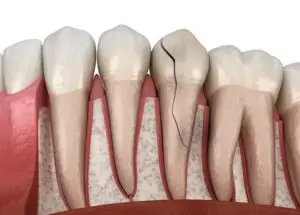
Treatment starts with recognizing early signs-sharp pain on biting, sensitivity, or changes in chewing-and understanding why cracks form from grinding, large fillings, or trauma. You’ll learn practical steps to protect teeth, from at-home protective measures and nightguards to professional options like bonding, crowns, or root canal therapy when needed. This guide empowers you to spot problems, seek timely care, and reduce the risk of more serious damage.
Understanding Cracked Teeth
Your teeth develop microfractures over time from chewing forces, dental work and habits; many people only notice symptoms once pain or food trapping appears. You should watch for intermittent sharp bites, lingering temperature sensitivity, or changes in how your bite feels, since early detection often preserves more tooth structure and reduces the need for extraction.
Factors Leading to Cracked Teeth
You grind or clench-bruxism affects roughly 8-31% of adults and concentrates stress on molars. You chew hard foods or ice, have large restorations that weaken cusps, or experienced a direct blow. You should also consider age-related enamel fatigue and undetected decay undermining tooth integrity. Any sharp biting pain, sensitivity or intermittent discomfort warrants prompt dental assessment.
- Bruxism/night grinding
- Large fillings or repeated restorations
- Direct trauma or sports injuries
- Chewing hard objects (nuts, ice)
- Undetected decay weakening the tooth
Common Types of Cracked Teeth
You’ll encounter five common presentations: craze lines, fractured cusp, cracked tooth (incomplete crack into dentin), split tooth (advanced fracture separating segments), and vertical root fracture. You should note that craze lines are superficial while split teeth usually require extraction; treatment choice depends on crack depth, location and symptoms. The treatment ranges from smoothing and bonding to crowns, root canal therapy or extraction based on diagnosis.
- Craze lines – superficial enamel cracks
- Fractured cusp – cusp detaches from crown
- Cracked tooth – crack extends into dentin but not through root
- Split tooth – crack separates tooth into distinct segments
- Vertical root fracture – crack runs along the root, often after RCT
| Craze lines | Superficial enamel only; cosmetic, rarely symptomatic |
| Fractured cusp | Often follows large restoration; cusp may be removed and crowned |
| Cracked tooth | Partial crack into dentin; often causes sharp bite pain |
| Split tooth | Advanced crack splitting tooth; usually non-restorable |
| Vertical root fracture | Root-level crack causing chronic infection or extraction |
You should evaluate each type with bite tests, transillumination, and CBCT when needed; examples: a fractured cusp after a large MOD filling often responds well to a crown, while vertical root fractures commonly present as unexplained periodontal defects after root canal therapy. You can preserve many cracked teeth if diagnosed early, but prognosis declines once the pulp or root is involved. The
- Craze lines – observation or polishing
- Fractured cusp – restoration with crown after removing loose fragment
- Cracked tooth – often root canal plus crown if pulp involved
- Split tooth – extraction and replacement (implant or bridge)
- Vertical root fracture – extraction or root resection in select cases
| Craze lines | Conservative management; low risk of progression |
| Fractured cusp | Crown restores form and prevents propagation |
| Cracked tooth | Early RCT + full coverage crown improves survival |
| Split tooth | Poor prognosis; extraction common |
| Vertical root fracture | Often requires extraction; limited salvage options |
How to Recognize Cracked Teeth
You’ll often notice bite-related pain, intermittent sharp twinges, or heightened sensitivity to hot and cold; a visible hairline near the gumline can appear. Causes include bruxism, large restorations, or chewing hard objects-see cracked tooth common causes for specifics. Small cracks can progress into splits that require extraction if left untreated, so tracking changes in sensation is important.
Signs and Symptoms
You may feel sharp pain when biting that resolves on release, intermittent discomfort, or sensitivity to cold, heat, or sweets. Other signs include localized swelling, a tooth that feels different when chewing, or visible dark lines on enamel. Dentists often find symptoms precede visible damage, and many patients report intermittent pain for weeks before diagnosis.
When to Seek Dental Help
If pain lasts more than 48 hours, you notice swelling, mobility, a visible crack, or you cannot bite normally, contact your dentist quickly. Severe, worsening pain or spreading facial swelling and fever suggest infection and need urgent care. Early assessment improves the chance of conservative treatment rather than extraction.
At your visit expect bite tests, targeted X-rays (which can miss some cracks), and adjunctive tools like blue dye or fiber-optic transillumination to pinpoint fractures. Treatment ranges from bonding and crowns to root canal therapy when the pulp is involved, with extraction reserved for splits extending below the gumline; decisions depend on crack depth, location, and root involvement, so discuss preservation versus replacement options with your dentist.
Preventative Tips for Healthy Teeth
You can reduce fracture risk by limiting hard foods, wearing a custom night guard if you grind, and keeping dental checkups every 6 months to spot hairline fissures early. Consult practical strategies at Cracked Teeth: More Common Than You Think. Perceiving sudden sensitivity to cold or brief pain when biting lets you seek treatment before a small crack becomes a bigger problem.
- Wear a night guard if you grind or clench.
- Avoid chewing ice, popcorn kernels, and hard candies.
- Use a sports mouthguard for contact activities.
- Replace your toothbrush every 3 months.
- Schedule dental exams at least twice a year.
Lifestyle Choices
You should stop using your teeth as tools and avoid habits like ice-chewing or opening packages with your teeth; these account for many fractures. Limit tobacco and excessive alcohol, which weaken enamel and gum support, and get a custom mouthguard for sports-research shows mouthguards reduce dental injury risk by more than half in contact athletes.
Oral Care Routine
Brush twice daily for two minutes with a fluoride toothpaste (1,350-1,500 ppm), floss once daily, and book professional cleanings every 6 months to detect microcracks; replacing your brush every 3 months keeps bristles effective.
Electric toothbrushes with oscillating heads often improve plaque removal versus manual brushes, and interdental brushes or floss picks help clean tight contacts where cracks can start. You should consider a daily 0.05% sodium fluoride rinse if you’re at higher risk, and bring any sharp edges or sensitivity to your dentist promptly so bonded repairs can stop crack progression.
Treatment Options for Cracked Teeth
Home Remedies
You can manage mild pain and prevent further damage at home by rinsing with warm saltwater, applying a cold pack to reduce swelling, and taking OTC ibuprofen or acetaminophen for pain control. Avoid chewing on the affected side, switch to soft foods, and use dental wax or temporary filling material to cover sharp edges. If sensitivity or pain continues beyond 48-72 hours or worsens with heat, seek professional care to avoid progression.
Professional Dental Treatments
When you see a dentist they’ll assess crack depth with exams and imaging, then choose treatments like composite bonding (30-60 minutes) for minor cracks, porcelain onlays or full crowns over 1-3 weeks for structural support, root canal therapy if the pulp is infected (usually 1-2 visits), or extraction for irreparable fractures. Treatment depends on location-hairline craze lines need different management than vertical root fractures.
Crowns work by redistributing biting forces and commonly last 5-15 years with proper hygiene, while bonded composites are quicker and less expensive but may need replacement every 3-10 years. In cases where a root canal is performed, placing a crown afterward significantly improves survival of the tooth; if a root fracture extends into the root, prognosis is poor and extraction plus implant or bridge becomes the predictable option.
Long-term Care After Treatment
After definitive treatment, you should follow a schedule of short-term and ongoing checks – expect a 1-2 week post-op visit, another at 3-6 months, then routine six-month cleanings – while monitoring for pain, swelling, or bite changes that may signal failure. Use a soft diet for 48-72 hours, avoid chewing ice or hard candy, and get a custom night guard if you grind; crowns often last 10-15 years with proper care. Learn more at Common Causes of a Cracked Tooth Explained – Modern Dental.
Follow-up Care
Expect a quick post-op check at 1-2 weeks to confirm healing, then a 3-6 month review; your dentist will assess restoration fit, occlusion, and may take radiographs at 6-12 months to detect root changes. If you report persistent sensitivity, biting pain, or swelling, your provider can adjust the bite, re-cement a crown, or plan retreatment – early intervention often prevents more extensive procedures.
Maintaining Dental Health
You should brush twice daily for two minutes with fluoride toothpaste, floss daily, and attend professional cleanings every six months; replace your toothbrush every three months. Avoid habitual chewing on pens, ice, or hard candy and shift chewing away from the treated tooth while it settles to reduce risk of re-fracture.
Consider a custom night guard if you grind – it reduces occlusal wear and lowers recurrence of fractures – and ask your dentist about topical fluoride or desensitizing agents when enamel is thin. Limit frequent acidic or sugary snacks that undermine margins around restorations, and document any new symptoms so radiographs and minor adjustments can extend the restoration’s lifespan beyond the typical 10-15 years.
To wrap up
To wrap up, you should know cracked teeth are common because routine forces, aging, grinding, and unseen decay concentrate stress on enamel; you can often preserve teeth with prompt evaluation and treatments such as bonding, crowns, or root canal therapy, and prevent recurrence by using a night guard, avoiding hard bites, and keeping regular dental exams to catch small fractures early.
FAQ
Q: Why are cracked teeth more common than you think?
A: Teeth endure years of chewing, grinding, and temperature changes; restorations like large fillings and root canals can weaken structure, aging makes dentin more brittle, and increased detection by dentists and imaging means more cracks are diagnosed than in the past. Sports injuries, accidental bites on hard objects, and untreated bite problems also raise the incidence.
Q: What are the different types of cracks and how do they differ?
A: Craze lines are tiny superficial cracks in enamel that are mostly cosmetic; fractured cusps break a tooth’s chewing surface but often spare the pulp; cracked tooth syndrome describes incomplete vertical cracks extending from crown toward the root with intermittent pain; split teeth are advanced cracks separating the tooth into distinct segments; vertical root fractures start in the root and often present with infection or periodontal defects. Treatment and prognosis vary by type and depth.
Q: What signs and symptoms suggest a tooth may be cracked?
A: Common signs include sharp pain when biting or releasing pressure, intermittent pain that is hard to localize, sensitivity to cold or sweet foods, discomfort that follows a specific chewing motion, swelling or pus if infection has set in, and a visible line or roughness on the tooth surface. Symptoms may fluctuate, making diagnosis challenging.
Q: How do dentists diagnose a cracked tooth?
A: Diagnosis combines patient history with clinical tests: visual inspection and magnification, transillumination to reveal fracture lines, bite tests or a tooth-slooth to reproduce pain, periodontal probing to detect isolated deep pockets, and radiographs or CBCT for suspected root involvement. Temporary restorations or selective grinding may be used diagnostically when imaging is inconclusive.
Q: What treatment options are available depending on crack severity?
A: Superficial craze lines usually need no treatment. Minor fractures and small cracks can be repaired with bonded composite or an onlay. Cracks that threaten the pulp often require root canal therapy followed by a full-coverage crown to stabilize the tooth. Split teeth or vertical root fractures generally require extraction and replacement (implant, bridge, or removable prosthesis). Splinting adjacent teeth and occlusal adjustments may be used adjunctively.
Q: What should I do immediately if I suspect a cracked tooth?
A: Stop chewing on the affected side, avoid hot or cold food and hard foods, rinse gently with warm salt water if there is irritation, use over-the-counter analgesics if needed, and see a dentist promptly. If a sharp fragment is present, cover it with dental wax or temporary cement to protect soft tissues and save any broken pieces for evaluation.
Q: How can cracked teeth be prevented or the risk reduced?
A: Preventive steps include wearing a night guard for bruxism, using a sport mouthguard for contact activities, avoiding chewing ice and hard objects, addressing large failing restorations proactively, treating misaligned or high occlusion, maintaining regular dental exams so early defects are detected, and practicing good oral hygiene to reduce decay that weakens tooth structure.