

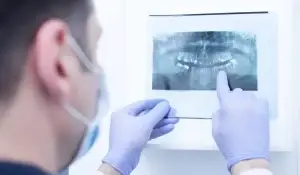
It’s reasonable to question dental X-rays, and you deserve clear answers: X-rays help your dentist detect decay, infections, and bone issues early, guide treatment, and monitor changes over time while modern protocols keep your radiation exposure very low; understanding safety standards, frequency guidelines, and common myths lets you make informed choices about your oral care.
Understanding X-Rays
As you move through treatment decisions, dental X-rays give targeted internal views that reveal decay, bone loss, and root problems invisible to the naked eye. A single bitewing often exposes you to about 5 µSv (0.005 mSv), panoramic films range 5-24 µSv, and CBCT spans roughly 20-200 µSv depending on field size; by contrast, average background radiation is ~3 mSv/year, so these exams are low-dose yet high-value for precise diagnosis and planning.
What are Dental X-Rays?
Dental X-rays use focused ionizing radiation to create images of your teeth, roots, and jaw so your dentist can detect interproximal cavities, periapical infections, impacted teeth, or bone loss early. They guide treatment choices-periapical films pinpoint root-tip pathology for endodontics, bitewings spot early interproximal decay, and panoramic views clarify surgical or orthodontic planning.
Types of Dental X-Rays
Common types you’ll encounter are bitewing (routine decay checks), periapical (detailed root and apex view), panoramic (full-arch overview), occlusal (broader intraoral view for children or stones), and cone-beam CT (3D imaging for implants or complex anatomy). Each varies in field-of-view, resolution, and typical dose, shaping when your dentist orders them.
| Bitewing | Used for interproximal decay and marginal bone; typical dose ~5 µSv; often taken every 6-24 months depending on risk. |
| Periapical | Shows entire tooth and apex for endodontics or trauma; dose similar to bitewing (~5-8 µSv); taken as needed for symptoms. |
| Panoramic | Single image of both arches for wisdom teeth, jaw pathology, or growth; dose ~5-24 µSv; used for broad screening and surgical planning. |
| Occlusal | Captures larger intraoral areas (children, salivary stones); low dose and used selectively when specific anatomy must be seen. |
| Cone-Beam CT (CBCT) | Provides 3D detail for implants, impacted teeth, airway assessment; dose varies widely (≈20-200 µSv) based on field size and resolution. |
For practical use, bitewings are typically taken at recall visits every 6-24 months depending on your caries risk, whereas periapicals are ordered for pain or endodontic planning; panoramic images assist with third-molar or TMJ assessment, occlusals serve pediatric or localized issues, and CBCT is reserved for implant, surgical, or complex endodontic cases where 3D detail changes your treatment plan.
- Often you’ll get bitewings at routine recalls to track early decay between teeth.
- When you have localized pain or prior root treatment, periapical films clarify root-tip conditions.
- Thou should request discussion of CBCT only when 3D detail will alter implant, surgical, or complex orthodontic planning.
| Bitewing frequency | 6-24 months based on individual caries risk and history. |
| Periapical indications | Symptomatic teeth, pre- or post-endodontic assessment, trauma evaluation. |
| Panoramic roles | Growth assessment, wisdom tooth mapping, broad pathology screening. |
| Occlusal usage | Pediatric development checks, foreign body or salivary stone localization. |
| CBCT considerations | Use when implant placement, complex anatomy, or airway analysis requires 3D imaging; discuss dose and field-of-view with your clinician. |
- For routine care, you should expect bitewings as the primary monitoring tool for interproximal decay.
- In surgical or implant planning, your dentist will explain CBCT benefits versus additional radiation exposure.
- Thou must always ask about how each image will change your treatment before proceeding with advanced imaging.
Safety of Dental X-Rays
You should know dental X-rays use very low doses: a bitewing/periapical is about 0.005 mSv and a panoramic roughly 0.01-0.02 mSv, a tiny fraction of average background radiation (~3 mSv/year). For official guidance and data see Facts About X-Rays | Radiation and Your Health.
Radiation Exposure
When you compare doses, a single bitewing (~0.005 mSv) equals a day or two of natural background radiation, while a full-mouth series can be ~0.15 mSv; because children are more radiosensitive, your dentist will consider age, clinical need, and cumulative exposure before ordering films.
Protective Measures
Your provider should use thyroid collars and lead aprons to block scatter, digital sensors that lower dose by roughly 50-80% versus film, and rectangular collimation which can cut patient exposure by about 60-70%; good technique reduces repeats and overall dose.
You’ll also see office protocols like selecting lower kVp/mAs for children, choosing bitewings instead of full-mouth series when appropriate, and following ADA risk-based intervals (for adults, bitewings about 24-36 months if low risk, 6-18 months if higher risk); equipment maintenance and staff training further ensure doses stay as low as reasonably achievable.
Benefits of Dental X-Rays
X-rays give you a window into hidden problems-decay between teeth, root infections, bone loss, and developing wisdom teeth-while digital systems cut radiation by up to 90% versus film. You’ll find recommendations and research on clinical value in resources like Understanding the Importance of Dental X-Rays for Your Health, and your dentist uses those findings to tailor frequency (bitewings often every 6-24 months) based on your risk.
Early Detection of Dental Issues
You catch problems far earlier with X-rays: bitewings reveal interproximal decay, periapicals show root abscesses, and panoramics identify impacted third molars. Bone loss usually becomes radiographically apparent after roughly 30% mineral loss, so X-rays help detect periodontal disease before you feel symptoms. That early insight reduces the need for extensive restorations and preserves more of your natural tooth structure.
Comprehensive Treatment Planning
You rely on X-rays and CBCT scans to plan complex care-implants, root canals, extractions, and orthodontics-because they deliver critical measurements and anatomy. CBCT provides 3D views with submillimeter accuracy (commonly within ~0.5 mm), letting your clinician assess bone height/width, nerve positions, and sinus relationships so treatment is safe and predictable.
For example, when CBCT shows only 4 mm of alveolar width, your dentist will likely recommend a graft before placing a standard 4 mm implant; if height is under 10 mm near the sinus, sinus lift techniques are considered. You benefit because radiographic findings frequently alter the sequence, materials, or timing of definitive treatment to improve long-term outcomes.
Common Myths About Dental X-Rays
Several widespread myths can make you wary of X-rays, but context matters: a bitewing is about 0.005 mSv and a panoramic 0.01-0.02 mSv, and modern protocols minimize exposure. If you’ve wondered Are Dental X-Rays Safe?, recent reporting and studies show risks are very low compared with the diagnostic benefit of catching decay, infections, and bone loss early.
Myth 1: X-Rays Are Dangerous
You face very low radiation risk from dental X-rays: a single bitewing (~0.005 mSv) is a tiny fraction of your average annual background dose (~3 mSv). Digital sensors can cut exposure by roughly 60-80% compared with older film, and collimation plus thyroid shields further reduce dose. For pregnant patients, dentists typically defer nonurgent films or use extra shielding; urgent diagnostic images are taken only when needed.
Myth 2: X-Rays Are Always Necessary
You don’t automatically need X-rays at every visit; imaging is chosen based on your clinical exam and caries risk. ADA guidance suggests bitewings every 24-36 months for low‑risk adults and every 6-18 months for higher risk, while children often need more frequent checks. Dentists balance the risk of missing early interproximal decay against unnecessary exposure when deciding timing.
For example, if you’re asymptomatic with good oral health, your dentist may postpone radiographs; but new pain, swelling, trauma, or suspected periapical pathology justifies targeted imaging. Complex cases-implant planning, orthodontics, or endodontic assessment-may require CBCT, whose dose varies widely (small‑field scans often ~0.02-0.2 mSv), so your provider should explain why an image is needed and how it changes your care.
Recommendations for X-Ray Frequency
Tailor x-ray frequency to your caries risk, periodontal status, and treatment plans: bitewing intervals typically range from 6-24 months, full-mouth series every 5-7 years for stable adults or when clinical changes occur, and targeted panoramic/CBCT only for implant planning, trauma, or complex orthodontics. Digital sensors can cut dose by roughly 60-90%, and dentists follow ALARA (as low as reasonably achievable) to limit exposure while catching hidden problems early.
Guidelines for Adults
If you are low-risk with no new symptoms, bitewings every 18-24 months and a full-mouth series every 5-7 years is common; if you have active decay, extensive restorations, or periodontal disease, expect bitewings every 6-12 months and periapicals as needed. For implant work or persistent pain your dentist may order a CBCT or panoramic study; clinical findings and treatment plans ultimately set the interval.
Guidelines for Children
Because teeth erupt and risk changes quickly, children often need more frequent radiographs: bitewings every 6-12 months if high caries risk, 12-24 months if low risk; begin posterior bitewings once primary and mixed dentition have proximal contacts that can’t be clinically inspected (often around ages 3-5). Panoramic or targeted views are used for growth, trauma, or orthodontic assessment.
In practice, if your child has multiple cavities or poor hygiene you may receive bitewings every six months to track new lesions; conversely, a cavity-free child with good hygiene might only need bitewings every 18-24 months. Use of thyroid collars, rectangular collimation, and digital sensors reduces dose, and CBCT is reserved for specific indications like impacted teeth, complex trauma, or surgical planning.
Alternatives to Traditional X-Rays
If you want lower radiation or different diagnostic views, options extend beyond film radiographs: digital 2D sensors, cone‑beam CT for 3D anatomy, near‑infrared/transillumination tools for proximal lesions, intraoral cameras for magnified visual inspection, and salivary or bacterial tests for caries risk. Clinics often combine methods to target a specific question-for example, using CBCT (small field often ~0.02-0.15 mSv) only for implant or complex endodontic planning while relying on transillumination and laser fluorescence for early decay detection.
Digital X-Rays
You’ll encounter CMOS/CCD sensors and phosphor plate (PSP) systems that cut exposure by roughly 60-90% compared with conventional film; a typical digital bitewing still averages about 0.005 mSv. Images appear in seconds, letting you zoom, adjust contrast, and apply measurement tools to spot interproximal decay or subtle bone loss. Many practices report faster workflows and easier record sharing, and you can request specific views or enhancements if you want clearer evidence before treatment.
Other Diagnostic Tools
You can use intraoral cameras for high‑magnification photos, fiber‑optic or near‑infrared transillumination (e.g., CariVu) to reveal cracks and proximal caries without radiation, and laser fluorescence devices like DIAGNOdent that output 0-99 fluorescence units (values above ~30 often indicate dentinal involvement). Cone‑beam CT provides 3D detail when anatomy is complex, and salivary/bacterial assays quantify caries risk to guide preventive care rather than immediate restoration.
In practice you’ll find each tool has strengths and limits: CBCT excels for implants, impacted teeth, and root fractures but carries higher dose and cost, so it’s reserved for specific indications; DIAGNOdent can give false positives from staining or plaque, so clinicians pair it with visual and transillumination checks; saliva tests let you personalize fluoride, sealant, and antibacterial strategies. Combining methods improves specificity, helping you avoid unnecessary fillings while catching problems that truly need intervention.
Conclusion
Drawing together the evidence, dental X-rays are a safe, low-dose diagnostic tool that helps your dentist detect hidden problems early, guide treatment, and prevent more invasive care. When used judiciously-tailored to your health, age, and risk-the benefits outweigh minimal radiation. Ask your dentist about digital techniques, protective shielding, and the rationale for any imaging so you can make informed decisions about your oral health care.
FAQ
Q: Do I really need dental X-rays if my mouth looks and feels fine?
A: Dental X-rays reveal hidden problems that visual exams can miss – small cavities between teeth, early bone loss from gum disease, infections at tooth roots, impacted teeth, and developing issues under restorations. Dentists use X-rays selectively based on your oral health, history, and risk factors to establish baselines and catch issues earlier when treatment is simpler and less invasive.
Q: Are dental X-rays safe?
A: Yes – modern dental X-rays use very low radiation doses, especially with digital sensors and proper shielding. Dentists follow the ALARA principle (as low as reasonably achievable) to minimize exposure: they take images only when indicated, use fast image receptors, limit the beam, and employ lead aprons or thyroid collars when appropriate. For most patients the benefit of accurate diagnosis outweighs the very small radiation risk.
Q: How often should X-rays be taken?
A: Frequency depends on individual risk and clinical need. Typical patterns: bitewing X-rays every 6-24 months for detecting decay (shorter interval for higher risk); panoramic or full-mouth series for new patients, major treatment planning, or trauma; more frequent imaging for active disease or follow-up. Your dentist will tailor the schedule based on your caries risk, gum health, developmental stage, and prior findings.
Q: Can pregnant people safely get dental X-rays?
A: Elective dental X-rays are usually postponed during pregnancy when possible. Urgent or necessary X-rays can be performed safely with fetal shielding (lead apron) and modern low-dose techniques; the small radiation from dental imaging is far below levels associated with fetal harm. Discuss timing and necessity with both your dentist and prenatal provider so decisions fit your situation.
Q: Do dental X-rays increase cancer risk?
A: The radiation dose from routine dental X-rays is very small, so any added cancer risk is extremely low. Risk assessments consider cumulative exposure and use conservative safety margins. Using digital imaging, proper technique, and limiting unnecessary images keeps exposure minimal; for most people the diagnostic benefit significantly outweighs the theoretical long-term risk.
Q: Are there alternatives to X-rays for diagnosing dental problems?
A: Alternatives like visual/tactile exams, transillumination, and intraoral cameras can help detect some issues, but they don’t provide the internal or below-surface detail X-rays do. Advanced alternatives such as MRI are rarely used for routine dental diagnosis and may be impractical. For many conditions – interproximal decay, root problems, and bone levels – X-rays remain the most reliable tool.
Q: What are common myths about dental X-rays and the facts behind them?
A: Myth: “No pain means no problem” – Fact: Decay and bone loss can be pain-free until advanced, and X-rays find early problems. Myth: “Adults don’t need X-rays regularly” – Fact: Adults with low risk may need them less often, but they still need periodic imaging for monitoring. Myth: “Digital X-rays use more radiation” – Fact: Digital systems generally reduce dose compared with older film. Myth: “All imaging is the same” – Fact: different exams (bitewing, panoramic, CBCT) serve distinct purposes and have different doses; clinicians choose the least invasive option that answers the clinical question.