

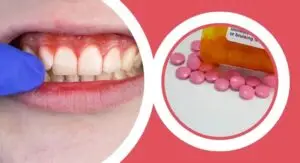
Medications can reduce saliva, cause gum swelling, taste changes, or increase bleeding risk, all of which affect your oral health; you should inform both your prescriber and dentist about all drugs, maintain rigorous oral hygiene, stay hydrated, use saliva substitutes if needed, and schedule regular dental checkups to monitor side effects and adjust treatments promptly.
The Impact of Medications on Oral Health
Many commonly prescribed drugs change your oral environment by reducing saliva, altering immune responses, or affecting tissue turnover; over 400 medications list xerostomia as a side effect and polypharmacy (taking 5+ drugs) increases risk substantially. If you take antihypertensives, antidepressants, anticholinergics, or opioids, expect measurable effects on enamel demineralization, mucosal resilience, and healing after dental procedures, which can raise your risk for cavities, infections, and delayed recovery.
Dry Mouth and Its Consequences
If you have dry mouth from medications, your unstimulated salivary flow can fall below 0.1 mL/min (clinical hyposalivation), reducing buffering capacity and antimicrobial action; that leads to increased caries, greater plaque accumulation, trouble speaking or swallowing, and higher rates of oral candidiasis. Studies show patients with chronic xerostomia have markedly higher cavity incidence and often require more frequent fluoride and restorative care to prevent rapid decay.
Medications Linked to Gum Disease
Certain drugs-most notably anticonvulsants like phenytoin, calcium channel blockers such as nifedipine or amlodipine, and immunosuppressants like cyclosporine-are associated with gingival overgrowth and altered host response; phenytoin-related enlargement can affect up to 50% of users, while calcium channel blocker cases range widely. You may notice bulky tissue that traps plaque, making periodontal inflammation and bleeding more likely despite ordinary brushing.
Mechanistically, these medications can promote fibroblast proliferation and excess extracellular matrix in gingiva, and your risk rises with higher dose, longer duration, poor oral hygiene, and genetic susceptibility; managing this often involves intensified plaque control, professional cleanings every 3 months, discussing alternative drugs with your prescriber, and surgical reduction (gingivectomy) only when conservative measures fail.
Categories of Medications Affecting Oral Health
Anticholinergics, antidepressants, antihypertensives, calcium‑channel blockers, anticonvulsants, immunosuppressants, chemotherapy agents and bisphosphonates all influence oral tissues, saliva and healing. You can review mechanisms and clinical implications in the literature, for example How medications can affect your oral health. Many of these drugs reduce salivary flow, alter taste or provoke mucosal changes that raise your risk for caries, periodontal disease and infection.
Antidepressants
SSRIs (fluoxetine, sertraline), SNRIs (venlafaxine) and tricyclics (amitriptyline) commonly produce xerostomia; about 20-30% of patients report dry mouth, which increases caries and candidiasis risk. If you notice persistent dryness, consider saliva substitutes, sugar‑free lozenges, topical fluoride and more frequent hygiene visits; in severe cases your prescriber may evaluate dose adjustment or alternative agents.
Blood Pressure Medications
ACE inhibitors, beta‑blockers, diuretics and calcium‑channel blockers affect the mouth differently: diuretics often cause dry mouth, ACE inhibitors can alter taste, and calcium‑channel blockers-especially nifedipine and occasionally amlodipine-are associated with gingival overgrowth in a subset of patients. You should monitor for swelling, increased plaque retention or bleeding and notify both your prescriber and dentist if these signs develop.
Gingival enlargement from calcium‑channel blockers arises from drug‑stimulated fibroblast activity compounded by plaque‑driven inflammation; onset is typically within 1-3 months of initiation and severity depends on dose, oral hygiene and individual susceptibility. You can lessen progression by meticulous plaque control, professional scaling every 3 months, and discussing alternative antihypertensives with your physician; persistent overgrowth may require surgical removal, which has implications if you’re taking other cardiovascular or anticoagulant medications.
Recognizing Symptoms of Oral Health Issues
Watch for persistent changes such as dry mouth, bleeding, swollen gums, altered taste, or loose teeth – these often signal medication effects. Studies show up to 30% of older adults report drug‑induced dry mouth, and polypharmacy raises the likelihood. If you notice bleeding outside normal brushing, probing depths over 3 mm, or new tooth sensitivity, arrange a dental exam to identify whether the medication, oral hygiene, or underlying disease is responsible.
Signs of Dry Mouth
You may feel a sticky, parched mouth, have trouble swallowing, or notice frequent thirst and taste alterations; cracked lips and sore corners are common. Clinically, unstimulated salivary flow under 0.1 mL/min defines hyposalivation (normal ~0.3-0.4 mL/min), which increases risk for caries, denture discomfort, and candidiasis. If dry mouth is daily or you see more cavities, discuss saliva substitutes, hydration strategies, or a medication review with your clinician and dentist.
Early Indicators of Gum Problems
Bleeding when you brush or floss, persistent redness or swelling, gums that recede, chronic bad taste or halitosis, and any tooth mobility are early warning signs. On exam, pocket depths greater than 3 mm or bleeding on probing suggest progression from gingivitis toward periodontitis; the latter produces bone loss visible on X‑rays and can lead to tooth loss. Prompt periodontal assessment and scaling can halt progression.
Certain medications – notably phenytoin, cyclosporine, and some calcium‑channel blockers (eg, nifedipine) – are linked to gingival overgrowth, with reported incidence ranging roughly 10-50% depending on dose and oral hygiene. You may see enlargement within weeks to months; improving plaque control, professional scaling, and, when possible, altering the offending drug or dose often reduces tissue bulk. In several case series, tissue improvement appeared within 8-12 weeks after combined dental care and medication adjustment.
Preventive Measures
When you’re taking medications that reduce saliva or affect gums, schedule dental checkups every 3-6 months, review your full medication list with your dentist or pharmacist, and ask about fluoride varnish applications two to four times per year if you’re high risk; also use saliva substitutes or sugar-free xylitol products between visits. See clinical guidance at How Medications Affect Your Oral Health | Winter Park, FL.
Maintaining Hydration
Sip water regularly and aim for about 8 cups (≈2 liters) daily unless your clinician advises otherwise; keeping hydrated helps preserve unstimulated saliva flow (≈0.3-0.4 mL/min) and eases dry-mouth from antihistamines, SSRIs, or diuretics. Chew sugar-free gum with xylitol for 10 minutes after meals to boost saliva and lower caries risk.
Good Oral Hygiene Practices
Brush twice daily for two minutes with fluoride toothpaste (1,000-1,450 ppm), floss once daily, and consider a powered toothbrush for improved plaque control; use alcohol-free antimicrobial rinses if you have dry mouth, and replace your toothbrush every three months or after illness. Add interdental brushes sized to your spaces if you have bridges or implants.
Use a 45-degree angle and gentle circular strokes to clean along your gumline and reduce inflammation; if your medication causes gingival overgrowth (for example, calcium channel blockers, phenytoin, or cyclosporine), plan professional cleanings and periodontal checks every three months and discuss drug alternatives with your prescriber when appropriate.
Talking to Your Healthcare Provider
Bring an up-to-date list of every prescription, over‑the‑counter, and herbal product to dental and medical visits, and report new oral symptoms such as dry mouth, taste changes, or gum swelling. Tell your providers when symptoms started and any recent dose changes; this lets them link effects to specific drugs like SSRIs (sertraline), antihistamines (cetirizine), or calcium‑channel blockers (amlodipine) and plan interventions such as saliva substitutes, topical fluoride, or a medication review every 6-12 months.
Importance of Communication
You should inform both your dentist and prescriber about bleeding risks, immunosuppressants, and anticoagulants so care is coordinated for procedures; for example, patients on warfarin often have an INR checked within 72 hours before extractions. Keeping everyone updated prevents surprises-your dentist can alter treatment planning and your physician can adjust dosing or timing to reduce oral complications and infection risk during invasive dental care.
Exploring Alternatives
You can ask about alternatives that lessen oral side effects, such as switching from a calcium‑channel blocker to an ACE inhibitor if gingival overgrowth occurs, or substituting an anticholinergic antihistamine with a non‑sedating option to reduce dry mouth. Discuss nonpharmacologic supports too-sugar‑free gum for 10-15 minutes after meals, topical fluoride varnish, or saliva stimulants like pilocarpine when appropriate.
When considering a medication change, request a defined trial period (often 4-8 weeks) and a monitoring plan for the condition being treated plus oral outcomes. Consult your pharmacist for interaction checks and have your dentist document baseline gum and mucosal status; if blood pressure or seizure control is involved, expect closer follow‑up (blood pressure checks within 1-2 weeks or EEG/neurology input) to balance systemic needs with oral health.
Regular Dental Check-ups
You should book dental exams at least every six months, and more often if your prescriptions cause dry mouth or gum changes; common culprits include antihistamines, antidepressants and blood-pressure drugs. During appointments your dentist will assess medication side effects, adjust prevention strategies and can refer you for specialist care-see guidance on Teeth and medication for typical interactions and tips.
Importance of Routine Assessments
Routine checks let your dentist detect early signs such as increased decay, mucosal changes or periodontal inflammation linked to medicines; if you take multiple medications you may need visits every 3-6 months. Your provider can apply targeted measures-fluoride varnish, prescription rinses or saliva substitutes-and tailor hygiene instructions based on your risk profile and drug regimen.
What to Expect During a Visit
Your appointment usually includes a medication review, oral soft-tissue exam, periodontal probing and bite/surface inspection; expect X-rays when decay or bone loss is suspected. You’ll also get practical advice on managing side effects-options often include topical fluoride, alcohol-free rinses, hydration strategies and timing snacks to reduce acid exposure.
Typical check-ups last 20-30 minutes, while visits for medication-related problems can run 45-60 minutes to allow counselling and preventive treatments. Bring a current medication list with dosages and over-the-counter products so your dentist can spot interactions; common recommendations for high-risk patients include nightly 1.1% sodium fluoride gel and switching to saliva-friendly oral care products.
Summing up
With these considerations, you can minimize medication-related oral problems by telling your dentist and physician about all prescriptions and supplements, managing dry mouth with hydration, saliva substitutes or sugar-free gum, using fluoride toothpaste and antimicrobial rinses, attending regular dental visits, and promptly reporting new symptoms; if side effects persist, discuss dose adjustments or alternative therapies with your prescriber to protect your oral health while maintaining systemic treatment.
FAQ
Q: How do prescription and over‑the‑counter drugs cause dry mouth and what should I do?
A: Many medications (antihistamines, certain antidepressants, anticholinergics, some blood pressure drugs, diuretics, opioids) reduce saliva production, increasing risk of cavities, oral infections, cracked lips and difficulty speaking or swallowing. Manage symptoms by sipping water frequently, using alcohol‑free saliva substitutes or sugar‑free lozenges (xylitol), chewing sugar‑free gum to stimulate saliva, applying topical fluoride gels or high‑fluoride toothpaste, avoiding tobacco and alcohol, and arranging more frequent professional cleanings. If severe, ask your prescriber about switching drugs or about prescription sialogogues (e.g., pilocarpine) after medical evaluation.
Q: Can my medications increase bleeding during dental work and how should that be handled?
A: Anticoagulants (warfarin, dabigatran, rivaroxaban, apixaban), antiplatelet agents (aspirin, clopidogrel) and some NSAIDs raise bleeding risk. Do not stop these medications without consulting the prescriber. Management includes coordinating care with the prescribing clinician, checking recent labs (e.g., INR for warfarin), timing procedures when blood levels are stable, using local hemostatic techniques (suturing, topical hemostatics, tranexamic acid mouthwash), and planning less invasive alternatives when appropriate.
Q: Which drugs cause gum enlargement or increase gum disease risk and what actions help?
A: Phenytoin, cyclosporine and certain calcium channel blockers (like nifedipine) can produce gingival overgrowth that traps plaque and promotes inflammation; immunosuppressants, chemotherapy and long‑term systemic steroids raise infection risk including oral candidiasis. Improve plaque control with meticulous brushing and interdental cleaning, schedule professional periodontal care more often, consider periodontal surgery if overgrowth persists, use topical antifungals for fungal infections, and discuss medication adjustment with the prescribing clinician when gingival changes are significant.
Q: Do medicines contribute to cavities or enamel erosion and what preventive steps should I take?
A: Dry mouth increases caries risk, and frequent use of sugar‑containing syrups, lozenges or acidic medications (chewable vitamin C, some cough syrups) promotes decay and erosion. Minimize exposure by choosing sugar‑free formulations, rinsing with water after taking medicine, avoiding prolonged sucking/holding of syrups or lozenges in the mouth, waiting 30-60 minutes to brush after acidic exposures to avoid abrasion, applying topical fluorides or prescription fluoride trays for high risk, and using xylitol products to reduce cariogenic bacteria.
Q: Are there medication interactions or special considerations for dental treatments I should know about?
A: Yes. Antimicrobials, analgesics and local anesthetic vasoconstrictors can interact with systemic drugs; metronidazole and some antibiotics affect warfarin metabolism, epinephrine precautions apply with certain cardiac medications, and antiresorptive therapies (bisphosphonates, denosumab) raise risk of medication‑related osteonecrosis of the jaw (MRONJ) after extractions or implants. Inform both dentist and prescriber, obtain dental clearance before starting IV antiresorptives or head/neck radiation when possible, and let the dental team plan antibiotic prophylaxis or altered drug timing when indicated.
Q: What information about my medications should I give my dentist at appointments?
A: Provide a complete, current list of all prescription drugs, over‑the‑counter products, supplements and herbal remedies, including doses, frequency, reason for use and date started. Mention recent lab results (INR), cancer treatments, bone‑modifying agents, immune suppressants, allergies, and prior adverse reactions. Bring medication containers or an electronic list and update the dentist at every visit so treatment and emergency plans can be tailored to your medications.
Q: When is it appropriate to stop or adjust medications for dental procedures?
A: Decisions about stopping or adjusting drugs must involve the prescribing clinician and dentist because risks of stopping (thrombosis, organ rejection, disease flare) can outweigh bleeding or healing concerns. For anticoagulants the choice depends on procedure bleeding risk and patient thrombotic risk; many low‑risk dental procedures proceed without stopping DOACs or warfarin if INR is therapeutic. Antiplatelet agents are often continued for low‑risk procedures. Bisphosphonate “drug holidays” are debated and require prescriber input. For patients on long‑term systemic steroids, perioperative steroid cover may be needed. Never alter therapy without coordinated medical advice.