

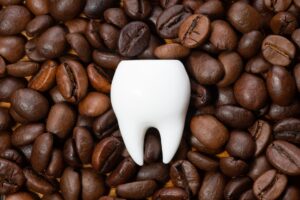
Over time, your morning coffee can significantly impact your dental health, often leaving behind stains and increasing your risk of cavities. As you sip that warm cup of joe, you might be unknowingly contributing to enamel erosion and discoloration of your teeth. In this post, you’ll learn the science behind coffee’s effects on your smile and discover effective strategies to protect your teeth while still enjoying your beloved beverage. Let’s examine into the ways you can maintain a bright, healthy smile, even with your coffee habit.
The Impact of Coffee on Tooth Enamel
For many coffee lovers, the rich aroma and bold flavor can overshadow the negative effects on your tooth enamel. Coffee is acidic, which can weaken the protective layer of your teeth over time. This erosion can leave your enamel susceptible to damage and increase your risk of sensitivities, ultimately compromising the overall health of your teeth.
Erosion and Wear
For those who consume coffee regularly, enamel erosion is a real concern. The acidity of coffee can gradually wear down your enamel, exposing the more sensitive layers of your teeth. This not only increases your chances of cavities but can also lead to more frequent dental issues requiring professional intervention.
Staining and Discoloration
Along with erosion, coffee can also lead to noticeable staining and discoloration of your teeth. The pigments in coffee, known as tannins, can cling to your enamel and create unsightly stains over time, reducing the vibrancy of your smile.
Considering the impact of coffee on your teeth, it’s important to recognize that the staining is often not easily removable by regular brushing. Even professional whitening treatments may struggle with coffee-induced discoloration. Therefore, if you’re a daily coffee drinker, you might want to explore alternative habits such as rinsing your mouth with water after enjoying your beverage or using a straw to minimize contact with your teeth. These small changes can significantly mitigate staining and help maintain a brighter, healthier smile.
The Science Behind Coffee Acidity
Any coffee lover may not realize the impact acidity has on their teeth. Coffee contains natural acids, which can erode enamel when consumed frequently over time. Understanding these acidic compounds can help you take better care of your oral health. Keep in mind that lighter roasts usually have higher acidity levels, while darker brews tend to be less acidic. Balancing your coffee choices and habits will play an necessary role in maintaining your smile.
pH Levels and Oral Health
At the core of coffee’s effect on your teeth lies its pH level. Most coffees have a pH ranging from 4.5 to 6, making them mildly acidic. When acids linger in your mouth, they can weaken tooth enamel, leading to increased sensitivity and a heightened risk of cavities. To protect your teeth, it’s important to monitor your coffee consumption and incorporate good oral hygiene practices, like rinsing your mouth with water after drinking coffee.
The Role of Tannins
Any enthusiast of coffee should be aware that tannins also play a significant role in impacting your teeth. These polyphenolic compounds not only affect the flavor and color of your brew but also contribute to staining and enamel erosion. Tannins bind to proteins, causing them to clump together, which can lead to discoloration on your teeth over time. To counteract these effects, consider using a straw to reduce direct contact with your teeth or adopting an effective oral care routine that includes regular brushing and rinsing.
Levels of tannins vary between different coffee types, with darker roasts typically containing less than their lighter counterparts. You can further manage the staining potential by opting for coffee blends with lower tannin content or incorporating milk or cream, which can help mitigate tannin effects. Additionally, improving your oral hygiene routine by using enamel-strengthening toothpaste can help combat any negative impacts tannins may have on your smile.
Preventive Measures for Coffee Drinkers
There’s no need to sacrifice your morning cup of joe for the sake of your dental health. By adopting a few preventive measures, you can enjoy coffee while minimizing its adverse effects on your teeth. This includes maintaining a consistent oral hygiene routine, opting for certain types of coffee, and making adjustments to how and when you consume your favorite brew.
Best Practices for Oral Hygiene
Across all aspects of your dental care, consistency is key. Make sure to brush your teeth at least twice a day and floss daily to remove plaque buildup. Consider using a fluoride toothpaste to strengthen your enamel, and include mouthwash to fight off bacteria and keep your breath fresh. Regular dental check-ups will help you catch any potential issues before they escalate.
Choosing Your Coffee Wisely
Below are some tips on selecting coffee that has minimal impact on your teeth. Opt for lighter roasts, as they tend to have less acidity than dark roasts. Additionally, be mindful of additives like sugar and cream, which can contribute to tooth decay. Lastly, consider cold brew coffee, which is typically less acidic and kinder to your enamel.
Drinkers should also pay attention to the brewing method. Coffee made with a French press or espresso can have higher acidity levels, while filtered coffee may reduce it. Try to choose organic coffee beans, as they are less likely to contain harmful chemicals that can also affect your dental health. Balancing your coffee choices with proper oral hygiene will enable you to enjoy your beverage without compromising your smile.
Alternatives to Traditional Coffee
All coffee drinkers don’t have to miss out on their morning ritual; there are several alternatives to traditional coffee that are gentler on your teeth and overall health. You can explore options like low-acidity coffee, herbal infusions, and even chicory-based beverages, which can provide a satisfying start to your day without the negative effects of regular coffee.
Low-Acidity Coffee Options
Besides regular coffee, low-acidity coffee options may be a better choice for your dental health. These blends are specifically crafted to reduce the acidity levels, which can help to minimize enamel erosion and the potential for tooth sensitivity that often accompanies high-acid coffee varieties.
Coffee Substitutes
Before you give up your morning routine, consider coffee substitutes that are both flavorful and healthy. Options such as herbal teas, roasted grain beverages, or even mushroom coffee can provide a delightful alternative to help you kickstart your day without the harsh effects of caffeine on your teeth.
Further, these coffee substitutes often come with added health benefits. Herbal teas can be rich in antioxidants, while roasted grains provide a nutty flavor that can satisfy your coffee cravings. Mushroom coffee, made from adaptogenic fungi, is gaining popularity for its health-boosting properties. By choosing these alternatives, you not only protect your teeth but also enjoy a diverse range of flavors and potential health advantages.
Professional Dental Treatments
Unlike at-home remedies, professional dental treatments offer targeted solutions to combat coffee’s effects on your teeth. If you are looking to improve the appearance and health of your smile, consulting your dentist for professional treatments can provide you with faster and more effective results. From whitening to enamel restoration, dentists have access to advanced techniques and products that can significantly enhance the state of your teeth.
Whitening Procedures
About whitening procedures, these treatments are designed to lighten stains and discoloration caused by coffee. Your dentist may recommend in-office treatments that use stronger bleaching agents or custom take-home kits that are tailored to your needs. These procedures can effectively restore your bright smile, allowing you to enjoy your morning coffee without worrying about its impact on your teeth.
Enamel Restoration Methods
The enamel restoration methods encompass various treatments aimed at repairing the protective layer of your teeth, which may wear down due to coffee consumption. These treatments not only help in restoring your teeth’s appearance but also in maintaining their overall health.
Treatments such as dental bonding and veneers provide a durable solution to restore enamel integrity. Dental bonding involves applying a tooth-colored resin to areas of enamel loss, which can effectively improve the aesthetics of your teeth. Alternatively, dental veneers are thin shells made from porcelain or composite materials that cover the front surface of your teeth, offering both protection and a brighter appearance. Consulting with your dentist can help you determine the best enamel restoration option based on your specific needs.
Lifestyle Adjustments for Healthier Teeth
Many factors contribute to maintaining healthy teeth, and lifestyle adjustments play a significant role. By making simple changes in your daily routine, you can protect your dental health while enjoying your morning coffee. From dietary modifications to adopting better daily habits, you have the power to fortify your teeth against the effects of coffee consumption.
Dietary Changes
Changes in your diet can have a positive impact on your dental health. Incorporating foods rich in calcium and Vitamin D, such as dairy products, leafy greens, and nuts, helps strengthen your enamel. Additionally, reducing sugar intake and opting for healthier snacks will minimize the risk of cavities, keeping your teeth healthier in the long run.
Daily Habits to Adopt
To ensure your teeth remain healthy, consider adopting effective daily habits. Brushing twice a day for two minutes and flossing regularly will remove plaque and food particles that lead to decay. Rinsing your mouth with water after sipping coffee helps neutralize acids and wash away residue, further protecting your teeth.
Another beneficial habit is scheduling regular dental check-ups. By visiting your dentist every six months, you allow for professional cleanings and early detection of potential issues. Also, consider using a straw when drinking coffee to minimize contact with your teeth. This simple adjustment can significantly reduce discoloration, making it easier to maintain a bright, healthy smile.
Final Words
Ultimately, your morning coffee can have a noticeable impact on your teeth, from staining to enamel erosion. To mitigate these effects, consider consuming your coffee with a straw, rinsing your mouth afterward, and following up with a dental routine that includes brushing and flossing. Additionally, maintain regular dental check-ups to keep your smile bright and healthy. By taking these proactive steps, you can enjoy your daily brew without compromising your dental health.