

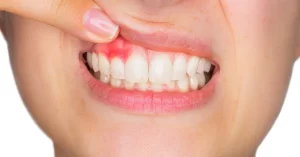
Many people underestimate gum disease, yet if you leave it untreated you risk progressive tooth loss, painful infections, and jawbone damage, and mounting evidence ties chronic oral inflammation to higher risks of heart disease, stroke, diabetes complications, and adverse pregnancy outcomes; addressing symptoms early preserves your teeth, lowers systemic inflammation, and prevents more invasive, costly treatments down the line.
Understanding Gum Disease
You already know plaque-driven inflammation underpins most cases; when you let biofilm persist, bacteria like Porphyromonas gingivalis trigger a chronic immune response that destroys connective tissue and bone. Epidemiology shows about 47% of US adults have some form of periodontal disease, and untreated progression leads to pocketing, tooth mobility, and higher systemic inflammatory markers. Effective care combines mechanical debridement (scaling/root planing), targeted antibiotics, and, for advanced disease, surgical intervention to preserve function and limit systemic impact.
Types of Gum Disease
You’ll encounter gingivitis-gum redness and bleeding that’s reversible with proper hygiene-and periodontitis, where attachment loss, pocketing and bone resorption occur; gingivitis affects many but periodontitis affects roughly 47% of adults to varying degrees. Aggressive periodontitis appears in younger patients with rapid attachment loss, while necrotizing forms cause severe tissue necrosis in immunocompromised individuals. Thou must act at early signs to prevent irreversible bone loss and tooth loss.
- Gingivitis – reversible inflammation, bleeding on probing
- Chronic periodontitis – pocket formation, progressive bone loss
- Aggressive periodontitis – rapid attachment loss in younger patients (~5% prevalence)
- Necrotizing periodontal disease – ulceration, pain; common with immunosuppression
| Gingivitis | Redness, bleeding, no bone loss; reversible with plaque control |
| Early periodontitis | 3-4 mm pockets, ≤15% alveolar bone loss, mild mobility possible |
| Moderate periodontitis | 4-6 mm pockets, 15-30% bone loss, increased mobility and risk of tooth migration |
| Severe periodontitis | ≥6 mm pockets, >30% bone loss, high tooth loss risk and systemic inflammation |
| Aggressive/necrotizing | Rapid attachment loss, severe pain and necrosis; often linked to smoking or immunodeficiency |
Causes and Risk Factors
Plaque biofilm with pathogens such as P. gingivalis initiates the process, and inadequate brushing or interdental cleaning lets pockets deepen; smoking roughly doubles your risk and poorly controlled diabetes (HbA1c >7%) increases severity about two- to threefold. Medications (anticonvulsants, some calcium-channel blockers), stress, and family history modify your susceptibility. Perceiving early signs-bleeding, swelling, persistent halitosis-helps you seek timely treatment.
- Plaque/biofilm accumulation
- Smoking – ~2× increased risk and faster progression
- Poorly controlled diabetes (HbA1c >7%) – ~2-3× greater severity
- Medications, genetics, age, and stress
Causes and Risk Factors – More Detail
Key pathogens in deep pockets include P. gingivalis, Tannerella forsythia and Treponema denticola, which subvert your immune response and raise local IL-1β and TNF-α levels driving bone resorption; clinical data show smokers lose attachment about twice as fast as non-smokers, and patients with uncontrolled diabetes exhibit greater pocket depth and bone loss. You encounter a host-microbe imbalance rather than a single cause. Perceiving shifts in pocket depth or mobility on routine exams lets you and your clinician tailor interventions earlier.
- Pathogenic consortia (red complex bacteria) drive tissue destruction
- Host response (cytokines IL-1β, TNF-α) mediates bone loss
- Modifiable risks: smoking cessation, glycemic control, improved oral hygiene
- Nonmodifiable risks: genetics, age; monitor more frequently if present
Symptoms of Untreated Gum Disease
Early Warning Signs
You’ll often notice bleeding when you brush or floss, persistent bad breath, and gums that look red, swollen, or feel tender; mild gum recession and pockets around 3-4 mm may appear. Approximately 47% of adults over 30 show signs of periodontal disease, so early symptoms are common. If your gums bleed regularly or you detect subtle changes in gum shape, seek evaluation to stop progression.
- Bleeding during or after brushing/flossing
- Chronic bad breath (halitosis)
- Redness, swelling, or tenderness of gums
- Minor gum recession or sensitivity
Early Signs Overview
| Sign | What you notice |
|---|---|
| Bleeding | Blood on toothbrush or floss after routine cleaning |
| Bad breath | Persistent odor not resolved by mouthwash |
| Swelling/redness | Gums look puffy or darker than normal |
| Recession | Teeth appear longer or roots become sensitive |
Advanced Symptoms
As the condition progresses, you may develop deep pockets (>4-6 mm), pus around teeth, loose or shifting teeth, and altered bite alignment; bone loss becomes visible on radiographs and chewing can become painful. These advanced signs often coincide with increased risk of tooth loss and may require scaling, antibiotics, or periodontal surgery to control.
You should note that pocket depths over 5 mm correlate with greater bone loss and higher tooth mobility; clinicians measure pocket depth and bone levels to guide treatment. Interventions range from non-surgical therapy to flap surgery, and early intervention can reduce the chance of losing teeth over the next 5-10 years.
- Deep periodontal pockets (>5 mm)
- Pus or abscess formation at gum line
- Tooth mobility or shifting
- Visible bone loss on X-ray and chronic discomfort
Advanced Symptoms Details
| Symptom | Clinical implication |
|---|---|
| Deep pockets | Indicate tissue detachment and bacterial persistence; often require deep cleaning or surgery |
| Pus/abscess | Sign of active infection needing drainage and antibiotics |
| Tooth mobility | Shows supporting bone loss; may lead to tooth loss without intervention |
| Radiographic bone loss | Objective measure of disease severity guiding long-term prognosis |
Oral Health Implications
When gum disease advances, it destroys the periodontal ligament and alveolar bone that support your teeth; almost half of U.S. adults aged 30+ show some form of gum disease, and that tissue loss is largely irreversible. You’ll notice increased tooth mobility, shifting bites, and changes in how dentures or restorations fit, often requiring more complex dental work such as bone grafts or surgical intervention to restore function.
Tooth Loss
Periodontitis is the leading cause of tooth loss in adults because bone resorption severs the tooth’s attachment; untreated disease frequently leads to extractions, with patients losing single or multiple teeth over 5-10 years. You may end up replacing teeth with bridges, dentures, or implants, the latter commonly costing $3,000-6,000 per tooth in the U.S. and sometimes needing grafting if bone loss is severe.
Impact on Oral Hygiene
As pockets deepen beyond about 4 mm, your toothbrush and floss can’t effectively remove subgingival biofilm, so plaque accumulates below the gumline and fuels chronic inflammation. You’ll find bleeding, persistent halitosis, and recurring deposits despite home care, making professional scaling and root planing necessary to reduce pocket depth and control bacterial load.
Food impaction in recessed gums increases your risk of root caries and localized abscesses; moreover, once you have extensive recession or restorations, cleaning becomes technically harder and time-consuming. You may need maintenance visits every 3 months, adjunctive local antimicrobials, or periodontal surgery to recontour tissue-without these steps, hygiene measures alone often can’t halt progression.
Systemic Health Risks
Beyond your mouth, untreated gum disease drives systemic inflammation-raising markers like CRP and IL‑6-and can introduce oral bacteria such as Porphyromonas gingivalis into the bloodstream. Research links periodontitis to increased risks of cardiovascular events, poorer diabetes control, adverse pregnancy outcomes, respiratory infections in the elderly, and rheumatoid arthritis, with oral microbial DNA even detected in atherosclerotic plaques.
Cardiovascular Disease
If you leave gum disease untreated, cohort studies and meta-analyses associate it with about a 20-30% higher risk of coronary heart disease and, in some reports, up to a doubled stroke risk. Bacteremia from periodontal pockets and sustained inflammation promote atherogenesis-P. gingivalis has been identified in arterial plaques, and elevated CRP/IL‑6 from periodontal disease correlates with increased thrombosis and plaque instability.
Diabetes and Other Conditions
The relationship is bidirectional: you’re roughly two to three times more likely to develop periodontitis if you have diabetes, and active periodontal infection worsens glycemic control. Evidence shows non-surgical periodontal therapy can lower HbA1c by about 0.4 percentage points, and links also exist between periodontitis and preterm birth, aspiration pneumonia, and rheumatoid arthritis.
Inflammatory cytokines released by periodontal tissues (TNF‑α, IL‑6) impair insulin signaling, increasing insulin resistance; randomized trials report HbA1c drops of ~0.3-0.6% at 3-6 months after periodontal treatment. For pregnancy, several studies indicate about a 1.5-fold rise in preterm delivery with severe periodontitis, and P. gingivalis’s PAD enzyme is implicated in generating citrullinated proteins that drive rheumatoid arthritis autoimmunity.
Prevention and Early Intervention
If you act at the first sign of bleeding or persistent bad breath, you can prevent progression to deep pockets and bone loss; professional care every 3-6 months for at‑risk patients often halts disease, and nonsurgical therapy (scaling and root planing) typically reduces pocket depths enough to avoid surgery in many cases. Smoking cessation and good diabetes control (aiming for an HbA1c near target with your clinician) also lower your long‑term risk of tooth loss.
Regular Dental Check-ups
You should see your dentist for exams and cleanings every six months, or every 3 months if you have active periodontitis; during visits they measure pocket depths (1-3 mm is healthy, ≥4 mm signals disease), take bitewing or periapical X‑rays to assess bone loss, perform prophylaxis or scaling/root planing as needed, and set a personalized maintenance interval to prevent recurrence.
Effective Oral Hygiene Practices
You need to brush twice daily for two minutes with a fluoride toothpaste (about 1,350-1,500 ppm fluoride), use an electric rotating‑oscillating brush when possible, and clean between teeth daily-floss for tight contacts, interdental brushes for spaces over ~3 mm-to reduce plaque, gingival inflammation, and halitosis.
For technique, angle the brush 45° toward the gumline and use gentle short strokes (Bass technique) rather than heavy scrubbing; replace brushes every 3 months, size interdental brushes so they fit snugly without forcing, and consider a 0.12% chlorhexidine rinse short‑term after deep cleanings-if you have pockets ≥5 mm your dentist may recommend professional maintenance every 3 months.
Treatment Options for Gum Disease
Your treatment plan is determined by how advanced the disease is and how deep the pockets are; dentists typically start conservatively and escalate as needed. For pockets 3-4 mm you’ll usually get non-surgical care and a 3-6 month maintenance schedule, while pockets ≥5-6 mm or progressive bone loss will prompt referral for specialist procedures. Insurance, smoking status, and systemic health (diabetes, heart disease) also shape the options and expected outcomes.
Non-Surgical Treatments
You’ll often begin with scaling and root planing to remove tartar below the gumline and smooth root surfaces; this reduces pocket depths and bacterial load. Your clinician may add local antimicrobials (e.g., minocycline microspheres) or a 0.12% chlorhexidine rinse, plus tailored home care instruction. When pockets respond (drop to ≤4 mm) and bleeding stops, you’ll shift to periodontal maintenance every 3 months.
Surgical Interventions
You’ll be recommended surgery when deep pockets (typically ≥5-6 mm), persistent inflammation, or vertical bone defects don’t resolve with non-surgical care. Procedures include flap surgery for access and pocket reduction, bone grafting to restore lost support, and guided tissue regeneration to encourage periodontal ligament and bone regrowth. Your periodontist will discuss risks, expected pocket depth improvement, and recovery timelines.
During flap surgery you’ll receive local anesthesia, the gum is lifted for thorough debridement, and defects are treated with graft materials (autograft, allograft, xenograft) or biologics like enamel matrix derivative; published studies show measurable bone fill and pocket depth reduction over 6-12 months in many cases. You’ll need short-term antibiotics sometimes, suture removal in 7-14 days, and stricter maintenance visits-often every 2-3 months initially-to sustain results.
Conclusion
The progression of untreated gum disease can lead you to tooth and jawbone loss and persistent oral infection that elevates systemic inflammation, increasing your risk of heart disease, stroke, worsened diabetes, respiratory problems, and adverse pregnancy outcomes; over time chronic periodontal infection may also contribute to cognitive decline and weakened immune response, so addressing gum disease early preserves your oral health and lowers long-term systemic risks.